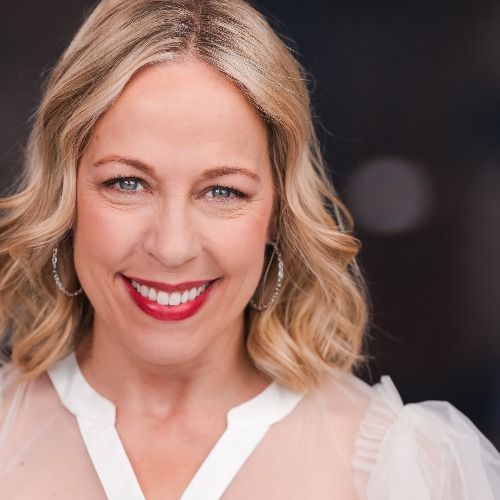
Episode 129
Helping Parents Navigate LGBTQ+ Support, Mental Health, and Learning Differences
Ever felt completely lost trying to help your child through a mental health, educational, or identity-related crisis, and unsure where to turn?
In this candid and compassionate episode, educational consultant Jodi Liston shares her personal journey as a parent of children with severe mental health needs, and how it led her to become a trusted guide for families navigating complex school and clinical systems. From IEPs to therapeutic placements, from LGBTQ+ support to advocating within unsupportive school systems, Jodi offers decades of wisdom and actionable advice.
✔️ Learn the real role of an educational consultant and why early support matters
✔️ Understand how to advocate for your child with IEPs, 504s, or during a mental health crisis
✔️ Discover what safe, affirming environments for LGBTQ+ youth actually look like
✔️ Know what red flags to watch for when evaluating schools, therapists, or programs
Listen now and walk away with real tools, expert insight, and hope so you can confidently advocate for your child, no matter what challenges you’re facing.
Key Topics Covered:
- What educational consultants really do (hint: not just college)
- Supporting kids with mental health diagnoses, neurodivergence, and learning differences
- The intersection of identity, trauma, and school safety for LGBTQ+ youth
- How the pandemic changed the educational and emotional landscape for students
- The power of family-centered, values-driven consulting
Hi, I’m Heather Hester, and I’m so glad you’re here!
Are you ready to take action? Let's connect and create a personalized plan!
Join a private community with other parents and allies just like you!
Stay informed - receive my newsletter
Invite me to speak at your workshop or event
Read my book, Parenting with Pride.
Share More Human. More Kind. Please subscribe, rate, and review!
Connect heather@heatherhester.net
Watch on YouTube
Listen to *NEW* episodes every Tuesday and Friday!
At the heart of my work is a deep commitment to compassion, authenticity, and transformative allyship, especially for those navigating the complexities of parenting LGBTQ kids. Through this podcast, speaking, my writing, and the spaces I create, I help people unlearn bias, embrace their full humanity, and grow their capacity for courageous, compassionate connection.
For parents, allies, and those pioneering a way to lead with love and kindness, I’m here with true, messy, and heart-warming stories, real tools, and grounding support to help you move from fear to fierce, informed action.
Whether you’re listening in, working with me directly, or quietly taking it all in, I see you. And I’m so glad you’re part of this journey.
More Human. More Kind. formerly Just Breathe: Parenting Your LGBTQ Teen is a safe and supportive podcast in a heartfelt and empowering space where a mom and advocate offers practical guidance and education to parents and allies, fostering empathy, kindness, love, and strong boundaries while supporting LGBTQ teens and the diverse LGBTQ community—including gay, lesiban, bisexual, trans, transgender, and queer individuals—through conversations about mental health, grief, gender identity, sexual orientation, human rights, social justice, parenting, parent support, and meaningful LGBTQ allyship and allyship in action.
This podcast uses the following third-party services for analysis:
Podscribe - https://podscribe.com/privacy
Transcript
Get into this business because I had a child that was gay or trans or had nothing to do with LGBTQ.
Speaker A:I got into this business almost 30 years ago because I went to kids really significant mental health challenges.
Speaker A:I was a single mother, literally not a penny to my name and no real resources.
Speaker A:But I was hella determined.
Speaker A:And I am probably the quintessential, if you look up in the dictionary, Mama Bear was determined.
Speaker A:When everybody said to me when my three year old, my four year old, my kids, now I have three kids.
Speaker A:My two older kids now 34 and 30, but when they were three and four, something was very wrong and I knew something was very wrong, right?
Speaker A:So I started seeking assistance for my kids.
Speaker A:Again, I had no resources and as they were five and then six and that they were growing or in kindergarten or whatever, and each very different challenges from each other, I was not happy with the answers that I was getting and I was determined to get help for my kids.
Speaker A:As I continued down that journey, it didn't matter that I couldn't afford the best.
Speaker A:My son Joshua, now many years later, was one of the youngest kids in the country, diagnosed with juvenile bipolar and had full on psychotic episode at seven years old.
Speaker A:So I was determined to connect with Demetri Papillos, who's one of the foremost authorities on juvenile bipolar, just as a topic even, but certainly juvenile bipolar.
Speaker A:And I was determined to have a conversation with him.
Speaker A:I couldn't afford to speak to him, I couldn't afford to meet with him.
Speaker A:I was just determined I was going to get my son the help he needed.
Speaker A:My daughter, who does have borderline personality disorder, probably again one of the youngest kids in the country, I was determined to get her to McLean.
Speaker A:I was determined to work with Blaze Aguirre, one of the foremost authorities.
Speaker A:And whatever I had to do to make that happen, I was bound and determined to make that happen and get her the help that she needed.
Speaker A:And both of them, this is a story that for both of my kids, it was years and years of seeking help.
Speaker A:And I'm very fortunate that my experiences with my kids led me to be able to help other families and have the company that I have now.
Speaker A:And, and I'm able to share what appropriate stories about my kids because now I have literally 25 and 30 years of experience of being a parent to two kids with very significant mental health challenges.
Speaker A:My daughter ultimately becoming a drug addict.
Speaker A:My daughter's been hospitalized, Bill, over 400 times.
Speaker A:My son has had psychotic episodes.
Speaker A:We've had restraining orders, we have had DFS called to our house.
Speaker A:Both my kids have been to jail, if you can imagine it.
Speaker A:And look at me, I am not somebody you look at and think, oh, there's a woman who's got a troubled wife and probably has kids with all kinds of issues going on.
Speaker A:I don't think that's the impression people have of me.
Speaker A:If you know me and you know my story, I'm very humble.
Speaker A:All the things that we've been through as a family and what my kids have been through, and I'm passionate about helping other families.
Speaker A:And I'll be honest with you, many times when I speak with families now, over 30 years, everybody thinks that whatever's happening to them is the worst thing in the world.
Speaker A:You can have a kid with adhd, you can have a kid who's coming out and.
Speaker A:And you don't know what the hell is going on because you totally.
Speaker A:You're already planning the wedding from when they were two.
Speaker A:We all have those fantasies, right?
Speaker A:Like you're planning the Harvard graduation.
Speaker A:You're planning the wedding to the girl or boy of their dreams, your perfect little grandchildren.
Speaker A:We all do it, right?
Speaker A:And none of that goes according to plan.
Speaker A:But if you call me and your kid has ADHD and they're blowing out of school, or your kid is a drug addict, or your kid is having anxiety and panic attacks, whatever is happening in your life right now, it is the worst case ever.
Speaker A:It is the worst thing that's ever happened to any family ever.
Speaker A:And for you, that is the truth.
Speaker A:That is the truth because it's your experience.
Speaker A:For me, I've had many of the experiences that those families have had, and I don't often share that with them because they need for me to hear them and to give them help, to give them resources to validate them and to be like, this is the worst possible thing in your life.
Speaker A:I get it.
Speaker A:This is your kid.
Speaker A:There's nothing more important to any of us than our children.
Speaker A:What I've often I would give.
Speaker A:I've said to my son recently, my 20 year old, my third kid was no mental health issues.
Speaker A:He's a scholar athlete.
Speaker A:He's amazing.
Speaker A:But I said to him recently, I literally would jump in front of a moving train to save you.
Speaker A:I would jump in front of a.
Speaker A:But I would give my last breath for you to live.
Speaker A:There is nothing I wouldn't do.
Speaker A:I don't know any parent that wouldn't agree with me, trade my line for you.
Speaker A:We all would agree to that, right?
Speaker A:Speaking to a family to Me helping a family with adhd, I could do that, quite frankly, in my sleep.
Speaker A:But for that family, it is a crisis and they need me to be like, this is a crisis for you and I'm going to help you through it.
Speaker A:I could get up that phone call and get on with the family whose kids in an ER with their 20th suicide attempt hanging on for dear life.
Speaker A:That's a crisis.
Speaker A:And to both those families, it's the same level of crisis and they both need the same energy and same attention from me as the other.
Speaker A:Yes, that's what I try to do.
Speaker A:If it's appropriate, I'm happy to share.
Speaker A:Hey, I got you.
Speaker A:I've done this personally and I've done it for 30 years with every kind of situation you could imagine.
Speaker A:Kids from three to.
Speaker A:And we're with adults 50 and 60 years old.
Speaker A:We can help anybody and they need to feel like they're the only client on the planet.
Speaker A:And that's what we do.
Speaker B:So, speaking of that, I'm wondering if we could just, like, back up just a little bit, because not everyone understands what an educational consultant is.
Speaker B:In fact, that is something that oftentimes we don't learn what it is until we are in crisis.
Speaker B:So what is an ED consultant and what are all the different things that someone might come to you for?
Speaker A:Yeah, it's a great question.
Speaker A:And it's interesting because I think most people, when they hear the term educational consultant, they think of one of two things.
Speaker A:They think of a college consultant, and it would not be unusual for you to know somebody who worked with a consultant to help you through the college process.
Speaker A:The other reason that you might think of the term educational consultant is if your child has a learning disability and you want to hire a tutor.
Speaker A:And they are educational consultants.
Speaker A:They are helping with the educational process because your child has some.
Speaker A:Whatever.
Speaker A:They're struggling with dyslexia or they're a little bit behind in math and you want to strengthen.
Speaker A:So you might hire an educational consultant.
Speaker B:Right.
Speaker A:We do a number of things and as educational consultants, we work with families who are as traditional can be.
Speaker A:They're not only looking at college, but they're looking at boarding schools, they're looking at private schools.
Speaker A:They're trying to decide if public or private is the right thing for them.
Speaker A:They're looking at junior boarding schools.
Speaker A:They're trying to understand SSATs and ICs and write the whole Alphabet soup of very traditional schooling, and that may even touch upon some learning disabilities.
Speaker A:My kid is struggling with dyslexia.
Speaker A:Or dysgraphia or adhd.
Speaker A:I'm struggling in the school, with the school district, in my public school or my private school, and I need some help.
Speaker A:Educational and clinical consulting means we work with families that are facing some kind of a challenge and that can be struggling in preschool or struggling in college and everything in between.
Speaker A:It can be educational, it can be social, emotional, it can be academic, it can be behavioral, it can be familial.
Speaker A:Right.
Speaker A:It can be about relationships and how those things intersect.
Speaker A:Because nothing comes without a pair.
Speaker A:They all come in pairs.
Speaker A:So if you're struggling with adhd, you may also have anxiety.
Speaker A:Typically it always comes with something else.
Speaker A:For the reason we're here today, we work with families who.
Speaker A:And I know you and I've had this conversation.
Speaker A:You're not coming to me because your kid is gay and has ADHD or is depressed.
Speaker A:You're calling me because your kid is depressed.
Speaker A:And perhaps they're gay and they're struggling with being accepted as a gay male or gay female or because they're trans or the LGBTQ is issue, gender dysphoria, whatever it might be, is secondary to what else is going on for them.
Speaker A:But equally important for us to understand when we're trying to help you come up with creative solutions.
Speaker A:Talking to an educational or clinical consultant or placement specialist, there's a number of terms used.
Speaker A:So many people say, I didn't even know you existed.
Speaker A:And there are quite actually a lot of educational consultants across the board available.
Speaker A:And for some reason, people really don't know the core of what we do and how many different ways we can help.
Speaker A:And something I think is super important.
Speaker A:Heather, I think people are under the impression that if you come to an educational consultant for a clinical or social emotional reason, that the first thing we do is say, oh my God, your kid needs to go to treatment.
Speaker A:That could not be further from the truth.
Speaker A:And that's not to say there aren't kids who don't go to wellter nurse or don't go to treatment.
Speaker A:There are plenty of kids who need a higher level of care.
Speaker A:Most of the time we want to have a conversation about what somebody needs and how we can put that into place.
Speaker A:What we refer to as community based or clinical case management.
Speaker A:We want you to have the resources in your home.
Speaker A:Now, if your child or adolescent or young adult is struggling in such a way that they require more intensive treatment, we can talk about what that might look like for them.
Speaker A:And it's different for everybody.
Speaker A:But believe in is not.
Speaker A:Oh my God.
Speaker A:You know you're going to call an ed consultant and they're going to tell you your kid has to leave.
Speaker A:No, that is not.
Speaker A:This just cannot be further from the truth.
Speaker A:Let's dispel the myth.
Speaker B:Thank you.
Speaker B:Thank you for saying that.
Speaker B:Because I think that is such a fear of people that they're like, first of all, I don't know what I need.
Speaker B:But second of all, I've heard these five horror stories and I can't do that or I can't afford that.
Speaker A:Treatment is very expensive.
Speaker A:Whether it's locally resourced or treatment outside the home.
Speaker A:Many clinicians locally no longer take insurance.
Speaker A:Many clinicians are not seeing people in person.
Speaker A:They're just seeing them virtually can be a challenge for people with learning disabilities, with neurodivergence, with anxiety, those can be challenges.
Speaker A:I have had cases where the family has insisted they must see someone in person and they live in this very remote, very challenging area for me to get somebody within a 45 minute radius and I can get them the most perfect clinician on the planet virtually.
Speaker A:And the family is absolutely not.
Speaker A:It has to be a person.
Speaker A:And we're having a conversation then about, we may have to expand your radius as to what you're willing to drive and travel to and spend because needs, wants available and how much does it cost?
Speaker A:A lot of.
Speaker A:A lot of factors.
Speaker B:Oh, my goodness.
Speaker B:I am wondering if we could talk a little bit about what as some of the biggest challenges facing specifically LGBTQ students and parents in today's education environment as well as we look forward six to 12 months.
Speaker B:And I know there's a lot of different things that are riding on that and it depends and I would love to hear your thoughts.
Speaker A:Yeah, I think something that we've seen a significant rise in and I feel like the whole world changed at Covid.
Speaker A:But as I think about my clients anyway and the conversations I'm having, I am seeing far more students that are identifying as LGBTQ and not.
Speaker A:I don't.
Speaker A:Maybe it's because I'm old.
Speaker A:I don't know.
Speaker A:For me, I'm gonna.
Speaker A:I'm gonna say I'm not just talking about just being gay like that.
Speaker A:Yes, you're obviously lgbtq, but I'm talking about kids that are.
Speaker A:No, I'm bisexual.
Speaker A:No, I'm identifying as other non conforming.
Speaker A:I'm identifying female, born female, but identifying male and not necessarily even wanting to talk about hormones or surgeries.
Speaker A:They just say, I'm.
Speaker A:I identify male.
Speaker A:I want to use his.
Speaker A:Her pronouns, end of story.
Speaker A:I see a lot of confusion among straight people on how to interact with an LGBTQ community.
Speaker A:I see parents.
Speaker A:I see parents that really struggle when they're having that conversation with us.
Speaker A:Like, the words are, like, sticking in their mouth.
Speaker A:They're uncomfortable, but they're like, we know we're supposed to be okay with this, so we're saying the things.
Speaker A:And then we have other families that are like, you will use these pronouns when you speak to my child.
Speaker A:And we're like, yes, okay, we understand.
Speaker A:We are very friendly here at Listed Education Group.
Speaker A:You're perming.
Speaker A:We get it.
Speaker A:It's a lot.
Speaker A:They're so defended in making sure that their child's rights are going to be met.
Speaker A:It's so you have to remember I talked to a lot of people in a day or in a week, so I could see all of those things literally in a week.
Speaker A:But there are so many more.
Speaker A:Again, I use Covid as, like, my dividing line.
Speaker A:I feel like pre Covid, somebody was trans, somebody was identified on their own, and then after Covid, it's.
Speaker A:Every other phone call is somehow connected to an LGBTQ story.
Speaker A:And even things like, not just the kids.
Speaker A:Right.
Speaker A:Parents got divorced and dad came out as gay.
Speaker A:What are we doing with that?
Speaker A:And how did that impact the student?
Speaker A:It's not just about the kids.
Speaker A:It's also about the family.
Speaker A:Kids with two moms, kids with two dads.
Speaker A:Once we start really getting into treatment, the kid is straight kid, male, he, him, straight kid, but has two dads.
Speaker A:And all of a sudden, we're learning, even though they grew up in this obviously very open home, they have things that they're struggling with because how they were treated at school or when they went to someone's house or.
Speaker A:And we learn about, why is this kid depressed?
Speaker A:What's going on?
Speaker A:And then all of these things.
Speaker A:And of course, the fathers are like, what?
Speaker A:How could that be?
Speaker A:We could get into a whole conversation about society, but that's another whole conversation.
Speaker A:But these are the things kids are dealing with, families are dealing with.
Speaker A:When we talk about an LGBTQ community and acceptance on so many levels for so many reasons.
Speaker B:Yeah.
Speaker A:And I've seen more of it.
Speaker B:That makes a ton of sense.
Speaker B:That is a very wise way of looking at the before COVID and after Covid, because I think there are so many things that is another episode all on its own, but the self reflection alone that people had the time to do.
Speaker B:And so I think that definitely lends to why so many more people of all ages came out like well, time.
Speaker A:On social media, more time.
Speaker A:All the things could we make an argument for?
Speaker A:Has it become more acceptable?
Speaker A:All there's a surge in adolescence coming out.
Speaker A:Is it because we as a society have become more acceptable, more accepting?
Speaker A:Or is it that it's just they themselves, like that generation is caring less about what society thinks and they're like, yeah, here I am, take it or leave it.
Speaker B:I think personally it's a little of both.
Speaker B:Just having kids who are in that generation, I think that it also speaks to.
Speaker B:We are seeing so many of our LGBTQ kids with struggling with depression and anxiety and all of these co occurring issues.
Speaker B:And I think that lends itself to.
Speaker B:While it may be a very small group out there, I think that the majority of humanity, at least in America is, yeah, they're humans.
Speaker B:They're.
Speaker B:I know someone, right?
Speaker B:My kid, my friend, my aunt, whatever.
Speaker B:And they're humans, we love them.
Speaker B:But there is a very small, very loud group that is making life very difficult.
Speaker B:And I think that causes a ton of stress and that manifests in a lot of different ways.
Speaker B:So I think that's where we're seeing at least my opinion of just standing from what I do and what I'm seeing and who I work with.
Speaker B:So I think I, I like having your perspective, working with a much broader group of people because I think that I have a very niche group.
Speaker B:So I'm seeing this right.
Speaker B:All the time.
Speaker B:So it is helpful to have this broader.
Speaker B:Yeah, people are more than what we realize.
Speaker B:They are affirming people.
Speaker A:Yeah.
Speaker A:I find in my everyday life and maybe it's because, look, I have two gay brothers that are two gay brother in laws that are married.
Speaker A:So my four brother in laws, ultimately I have a daughter that's bisexual.
Speaker A:It's just, that's just how we live.
Speaker A:Right.
Speaker A:I remember in elementary school making a comment to his little whatever, eight year old friends and he was like, my uncles sleep in the same bed together.
Speaker A:It was just so normal in her house.
Speaker A:It just was the norm.
Speaker A:Like it just didn't matter to us.
Speaker A:That was just our life we have.
Speaker A:My stepfather was African American.
Speaker A:Like I'm Jewish.
Speaker A:My husband was, is, you know, Christian.
Speaker A:We just had all the things and my kids were like, I always say, you know, like, my kids are colorblind.
Speaker A:My kids like don't know these things.
Speaker A:So in my everyday life I feel like people are pretty accepting.
Speaker A:And I know, like personally, if somebody makes a comment about a particular religion or a particular skin color or ethnicity or being gay or makes a Comment.
Speaker A:I am immediately like, there.
Speaker A:Here comes mama bear.
Speaker A:Tread lightly before you speak in front of me, because I do have something to say about this.
Speaker A:Right.
Speaker A:Like, I'm, in my mind, I'm defending not just my own personal family members, but I'm defending everyone that they represent.
Speaker B:Right.
Speaker A:I'm not okay with people talking disparagingly around me.
Speaker A:In my personal life, I understand that we live in a world where people have opinions, but I think in my own personal life, I obviously select friends that are probably more like minded to me.
Speaker A:Correct.
Speaker B:And there's a difference between I hate pizza and I hate gay people.
Speaker B:One is an opinion and one is hate speech.
Speaker A:Yeah.
Speaker A:I don't understand it because my brain doesn't work that way.
Speaker A:So I honestly, if I hear somebody making a derogatory comment about gay people or about trans people, I'm just like, I don't understand.
Speaker A:Like, you can choose to not have relationships with a trans person because it makes you uncomfortable.
Speaker A:And really that's what we're talking about, aren't we?
Speaker A:You're uncomfortable, so you have to say bad things.
Speaker A:That's really what it boils down to, is other people's discomfort.
Speaker A:Yes.
Speaker A:Okay.
Speaker A:I respect the fact that you're uncomfortable.
Speaker A:Do you want to have a conversation about why you're uncomfortable?
Speaker B:Yeah, exactly.
Speaker B:Yes, yes, and yes.
Speaker A:Why does it have to be black and white?
Speaker A:So all trans people are like the spawn of the devil.
Speaker A:Because you're uncomfortable.
Speaker B:You're taking something that's here.
Speaker B:I'm uncomfortable.
Speaker B:And spawn of the devil is like, not even on my screen.
Speaker B:Right.
Speaker B:That is, that's where I'm like, what are we doing?
Speaker B:Like, these are human beings.
Speaker A:And I.
Speaker B:Going back, like, I have family members who think this way.
Speaker B:So while I don't understand it, I also am like, but I do.
Speaker B:So I.
Speaker B:It's very frustrating for me because I'm.
Speaker A:Like.
Speaker B:These are humans.
Speaker B:We are talking about human beings.
Speaker B:I did derail the conversation there a little bit, I'm sorry.
Speaker A:Oh, well.
Speaker B:But clearly something that we could go on and on about.
Speaker B:But I do want to shift back to talking about and all of this amazing work that you're doing because I'm.
Speaker B:I think I had shared with you a very long time ago, and I've talked about it like, very briefly in, on.
Speaker B:On the podcast and everything.
Speaker B:But our.
Speaker B:The only experience that I've had with an ED consultant was very scarring for me and for my family.
Speaker B:And so I was like, since you and I met, I've been like, I know Jody.
Speaker B:Because you are like night and day from the experience had.
Speaker B:And so that is.
Speaker B:I.
Speaker B:It's so important for me for people to know not only understand exactly what you do and all the breadth of these services that you offer and the things that you can help people with, but really how, like, you are constantly, like, learning and shifting and growing with what is going on and in the world, because you're not working with just like your small local community.
Speaker B:You're working with anyone.
Speaker A:That's right.
Speaker A:Exactly.
Speaker B:Yeah.
Speaker A:Yeah.
Speaker A:And I appreciate your recognizing that, because I think, like, in any business, and I mean, I hate to make it right because what we do so personal.
Speaker A:I hate to even say the word business, but you look, when you're looking for.
Speaker A:Honestly, let's make it really like, you're looking for a hairdresser, right?
Speaker A:You're looking for an optometrist.
Speaker A:You're looking for a psychiatrist.
Speaker A:Pick us something, right?
Speaker A:You have choices.
Speaker A:There are people that are mediocre hairdressers.
Speaker A:There are people that are amazing hairdressers.
Speaker A:How do you know the difference when you book that appointment, whether you're getting a mediocre hairdresser or a great hairdresser, Right?
Speaker A:Have you done some research?
Speaker A:Do you know what their training is?
Speaker A:Do you know how many years they've been a hairdresser?
Speaker A:We can apply this to psychiatrists oncologist.
Speaker A:You know you have cancer.
Speaker A:How do you know that?
Speaker A:Your doctor is like.
Speaker A:The doctor is like the guy like.
Speaker A:Or the girl to go like, how do you know?
Speaker A:Or is it just someone told you, hey, I have a braid hairdresser.
Speaker A:Hey, I know my cousin had cancer.
Speaker A:And this doctor was amazing.
Speaker A:Like, how do you really know?
Speaker A:And I'm actually glad that I knew.
Speaker A:Sort of a wide variety from a cancer to hairdresser in this.
Speaker A:Right?
Speaker A:Because we're ed consultants.
Speaker A:We're certainly not saving the world, curing cancer.
Speaker A:But what we do is important, and what we do is so personal to a family.
Speaker A:It's true that we, myself and my team spend a lot of time, 30 to 40% of our time, traveling the country.
Speaker A:We're attending conferences.
Speaker A:We're constantly learning where we are going and visiting schools and programs and hospitals and anything that may have to do with helping our clients from the most traditional to the least traditional, and whatever may be going on in between.
Speaker A:Am I going to conferences on lgbtq?
Speaker A:Am I going to conferences on anxiety?
Speaker A:And am I going to conferences on trauma?
Speaker A:Am I going to conferences on adhd?
Speaker A:In today's educational landscape and working With Neurodiverse, I'm doing all of those things, and everyone on my team is dedicated to doing that.
Speaker A:And we've worked with quite literally thousands of families, cumulatively, across six of us in the practice.
Speaker A:But me, myself, over 30 years, I've worked with thousands of families, just myself, in a variety.
Speaker A:And I have my own personal experiences with my kids.
Speaker A:So when you call us and have that conversation and we say, we want to take the time to get to know you, we want to have a consultation, we want to take our time in getting to know you before you just agree to work with us and you maybe talk to somebody else or you get a recommendation from somebody else.
Speaker A:Look, the reality is this is probably not the most popular thing to say, but I.
Speaker A:If you know me at all, you know that I speak the truth, and I'm just safe.
Speaker A:I think there are plenty of ED consultants out there that just hung a shingle.
Speaker A:There are plenty of ED consultants out there, quite frankly.
Speaker A:You could go find a hairdresser that just Left Beauty School two days ago and will charge you $150, just like the hairdresser that's been doing it for 30 years and is charging $150.
Speaker A:So if you don't really understand who you're hiring and what they're bringing to the table, just because Susie Smith told you that person was a great ED consultant, you have to do your own due diligence and really understand who we are and what we do.
Speaker A:I have some great colleagues out there that I would recommend in a heartbeat, but there are plenty.
Speaker A:Just like any other business.
Speaker A:Again, I need to use the word.
Speaker A:There are plenty of people out there that'll gladly tell you that they know what they're doing and that they can help you and unfortunately, have an experience like you've had.
Speaker B:And I love that you just said that.
Speaker B:Do your own due diligence.
Speaker B:And I hope that this.
Speaker B:You know, one of the things that this episode helps people with is like, recognizing that you and people like you are available so that you have the.
Speaker B:Give yourself the space to really do the research.
Speaker B:We were in a crisis situation.
Speaker B:Our pediatrician, who I loved at the time, was like, this is who you call.
Speaker B:That is who we call.
Speaker B:That's where we went.
Speaker B:That is like, we did not even have the capacity to be like, should we, like, call three other people?
Speaker B:And how do we find these people?
Speaker A:And I love.
Speaker A:I love people that do have those.
Speaker A:They tell me, my pediatrician told me to call you my psychiatric smite.
Speaker A:I like to think my people that are referring to me do so because they know the work we do and we are staying connected to the.
Speaker A:If your pediatrician recommended you to me, I'm staying in touch with your pediatrician about the work I'm doing with you.
Speaker A:So they know my work.
Speaker A:They.
Speaker A:What it looks like.
Speaker A:And when they talk to you, you're going to say, oh, my God, Jody was amazing.
Speaker A:Exactly what she did for our family.
Speaker A:This is what we're doing right now.
Speaker A:And they're like, they're going to say to you, oh, yeah, I know, because she emailed me or she texted me or she called me to let me know.
Speaker A:Yes, that's.
Speaker A:But you wouldn't have known that up front.
Speaker A:I love that.
Speaker B:But I feel like this is.
Speaker B:This is such important information for people just to stick in the back of your head and really just even do your due diligence now and just know that this is an option.
Speaker B:This is something that is.
Speaker B:Is a resource that is available and that is so incredibly.
Speaker B:You have such a wide breadth of services that you offer and that you do.
Speaker B:I think that's a little bit, maybe not unusual, but I don't know of ed consultants who do as much as you do, but have the experience and the knowledge in the number of areas that you do.
Speaker B:So I really appreciate that so much.
Speaker B:I just.
Speaker B:I'm delighted that we've had this conversation.
Speaker A:And we built that or I built the practice that way intentionally.
Speaker A:That we could work with families therapeutically or clinically.
Speaker A:That we could work with families very traditionally.
Speaker A:We could work with families with learning challenges or learning struggles.
Speaker A:We could work with families with mental health or substance or other process addictions or some combination.
Speaker A:Right.
Speaker A:We could work with really young kids, or we could work with not just young adults, but we could also work with, like, into adulthood as well.
Speaker A:And I do that not only because of my experience over many years of working with that breadth of client, but each of the consultants that are in my practice only specialize in one of those areas.
Speaker A:And so when you work with us, you work with me and another consultant.
Speaker A:You get a team.
Speaker A:Sometimes you'll end up working with three of us because you may also need special education advocacy.
Speaker A:You may also need a 504 or an IEP or seeking reimbursement from your district or all of those things.
Speaker A:That's another whole thing, too.
Speaker A:Should I do public or private?
Speaker A:And oh, by the way, I need an iep, you stand up working with a couple more than two, or there may be three of us but you essentially have a team of people dedicated to working with you when you work with us, which I think is unusual.
Speaker A:We're kind of only few firms that offer special education advocacy.
Speaker A:Interesting.
Speaker A:When we're talking about special education advocacy as it relates to LGBTQ and bullying in a school system, that's another little interesting piece because we have to consider if a kid is accessing and benefiting from their education and if they're not able to be in a class and if they're constantly being bullied at school, there's action to be taken there as well.
Speaker A:Yeah, but I.
Speaker A:We're one of the only consulting firms that do a combination of special education advocacy along with all of the other things that we can offer a family.
Speaker A:Sometimes we're offering advocacy to a very traditional family as well.
Speaker A:You can have ADHD and still need an iep.
Speaker B:Right.
Speaker B:There are a lot of reasons that you would need an IEP and it is no small feat to get one.
Speaker B:An IEP or a 504.
Speaker A:A lot more difficult.
Speaker B:It is very difficult.
Speaker B:I've had to do that with two of my kids and that's, it's, that's like a full time job for a while now.
Speaker A:Back in the day, I worked for a special education attorney for about three and a half years.
Speaker A:And that was part of how I got over $5 million from our school district to cover my two kids.
Speaker A:Special education parent outside of the district that I live.
Speaker A:And how I paid for having a lawyer was working for the lawyer.
Speaker A:And I worked for the lawyer for three years completely free.
Speaker A:I didn't get paid a dime.
Speaker A:And I did all of the special ed law research.
Speaker A:I helped prepare for mediation, for hearings.
Speaker A:I attended every single meeting that attorney attended in a school district, in his classroom, everything.
Speaker A:Everywhere they went, I went with them.
Speaker B:That's amazing.
Speaker A:Yeah.
Speaker A:And that was how I.
Speaker A:And they represented me.
Speaker A:I was able to get my kids treatment completely paid for because I had an attorney that I worked for while I absorbed all this knowledge.
Speaker A:And quite honestly, you'll laugh.
Speaker A:I laugh when I tell the story now.
Speaker A:She sat me down at the diner one day and said to me, you need to go out and do this on your own.
Speaker A:You can't work here anymore.
Speaker A:And I said, you don't pay me, you can't fire me.
Speaker A:I was like, that's not how this works.
Speaker A:I do this for free.
Speaker A:I like helping people and like, this is a good, this works out loud.
Speaker A:And she was like, no, you need to go and have your own.
Speaker A:Go do this.
Speaker A:And I said, no one is ever going to hire me to do this for them.
Speaker A:And she said, you no longer work here.
Speaker A:You need to know, you go start a business and go tell people that you will help them and you will charge them.
Speaker A:And I was like, you're out of your mind.
Speaker A:And that was how my business was started.
Speaker B:That is amazing.
Speaker A:True story.
Speaker B:I love that.
Speaker B:That is awesome.
Speaker A:I was like, you're crazy.
Speaker A:No one's ever going to hire me.
Speaker A:This isn't a thing.
Speaker A:No, like, I work for you.
Speaker A:Like, I just do all your stuff.
Speaker A:And she was like, no.
Speaker B:Yeah, that's funny.
Speaker B:Oh my gosh.
Speaker B:That is so good.
Speaker B:I'm glad she fired you.
Speaker A:I know, Me too.
Speaker A:Yeah, I'm still working with her and she's amazing.
Speaker A:She's still working and yeah, the world.
Speaker B:Is a better place for that.
Speaker B:Holy cow.
Speaker B:All right, I want you to tell people I will have everything, all of your info in the show notes and on my website and all the things, in fact you're already linked on my website.
Speaker B:However, I would love for you to tell people this is like your two minutes of who are you?
Speaker B:How can people find you?
Speaker B:What do you.
Speaker A:So my name is Jodi Liston.
Speaker A:We are the Liston education group.
Speaker A:We are on Facebook, we are on Instagram, we are on YouTube, certainly on LinkedIn.
Speaker A:You can find us at all those places.
Speaker A:Liston Education.
Speaker A:Or you can visit us on the web@listenededucation.com we'd love to have you subscribe to our newsletter or follow us on all of the channels, hop on our website and read our blog post.
Speaker A:Heather, you're featured in our my most recent blog post talking about parenting with Pride, the book and with a link to our terrific conversation that you and I had just a few weeks ago about the book.
Speaker A:And you can call our office, you can fill out a form on our website and we'll immediately get right back to you to just have we provide a free, completely complimentary 30 minute call to everybody who is interested in knowing more and gives us the opportunity to learn more about what's going on as well.
Speaker A:So send in the form or give a call, call the office and we're happy to set up a time to learn more about what's going on for a family.
Speaker B:Amazing.
Speaker B:Amazing.
Speaker B:Thank you, thank you, thank you, Jodi.
Speaker B:Thank you so much for being here today.
Speaker B:And I will just give a little teaser that Jodi and I will be talking again soon, soon about a very important topic.
Speaker B:We will be suicide awareness and prevention here in a couple of months, so stay tuned and be looking forward to hearing Jodi again.
Speaker A:Yeah.
Speaker A:Such a pleasure.
Speaker A:Thank you for having me, Heather.
Speaker A:I love the conversation, both past and present, and looking at the future.
Speaker B:Me, too.