Episode 128
The Truth About College Safety for LGBTQ+ Youth
Did you assume college would be the safest place for your LGBTQ+ child, only to feel shaken by rising anti-LGBTQ+ sentiment, even on progressive campuses?
As Pride centers are defunded, book bans expand, and anti-trans legislation spreads, college is no longer the automatic safe space many parents hope for. In this urgent episode, Jorge Valencia shares his journey and the powerful work of the Point Foundation to support LGBTQ+ students with mentoring, scholarships, and advocacy.
✔️ Learn what parents often misunderstand about LGBTQ+ student life on college campuses
✔️ Discover how the Point Foundation is creating safe, affirming educational pathways
✔️ Understand why voting, advocacy, and allyship matter more than ever, especially now
✔️ Get practical resources and next steps to support LGBTQ+ students before, during, and after college
Listen now to discover what LGBTQ+ students need most right now and how you can be part of protecting their future, both on campus and beyond.
Takeaways:
- LGBTQ+ students are navigating rising hostility even at colleges once considered safe
- The Point Foundation provides vital scholarships, mentorship, and community support
- Many parents underestimate the emotional and political challenges LGBTQ+ students face
- Advocacy and civic engagement are essential to protecting queer youth’s future
Bio
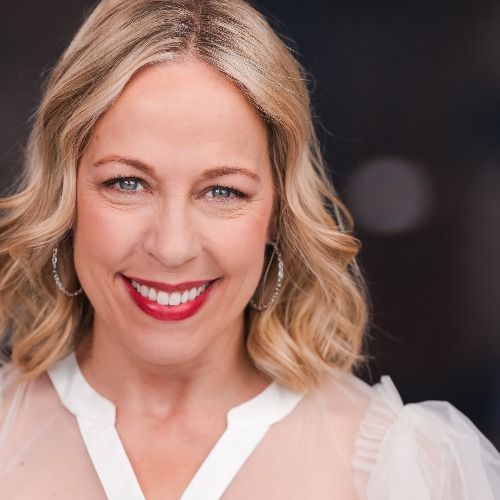
Jorge Valencia serves as the Point Foundation’s Executive Director and CEO. Before Point Foundation, Jorge served as Executive Director and CEO of The Trevor Project and has worked in the corporate, government, and nonprofit sectors. He brings to Point a wealth of experience in managing and growing nonprofit organizations, a proven ability to design and manage the infrastructure of expanding organizations, and extensive experience with, and sensitivity to, lesbian, gay, bisexual, transgender, and queer (LGBTQ) youth issues.
Important Links from this episode:
Hi, I’m Heather Hester, and I’m so glad you’re here!
Are you ready to take action? Let's connect and create a personalized plan!
Join a private community with other parents and allies just like you!
Stay informed - receive my newsletter
Invite me to speak at your workshop or event
Read my book, Parenting with Pride.
Share More Human. More Kind. Please subscribe, rate, and review!
Connect heather@heatherhester.net
Watch on YouTube
Listen to *NEW* episodes every Tuesday and Friday!
At the heart of my work is a deep commitment to compassion, authenticity, and transformative allyship, especially for those navigating the complexities of parenting LGBTQ kids. Through this podcast, speaking, my writing, and the spaces I create, I help people unlearn bias, embrace their full humanity, and grow their capacity for courageous, compassionate connection.
For parents, allies, and those pioneering a way to lead with love and kindness, I’m here with true, messy, and heart-warming stories, real tools, and grounding support to help you move from fear to fierce, informed action.
Whether you’re listening in, working with me directly, or quietly taking it all in, I see you. And I’m so glad you’re part of this journey.
More Human. More Kind. formerly Just Breathe: Parenting Your LGBTQ Teen is a safe and supportive podcast in a heartfelt and empowering space where a mom and advocate offers practical guidance and education to parents and allies, fostering empathy, kindness, love, and strong boundaries while supporting LGBTQ teens and the diverse LGBTQ community—including gay, lesiban, bisexual, trans, transgender, and queer individuals—through conversations about mental health, grief, gender identity, sexual orientation, human rights, social justice, parenting, parent support, and meaningful LGBTQ allyship and allyship in action.
LGBTQ+ college students, Point Foundation, Jorge Valencia, LGBTQ+ scholarships, LGBTQ+ youth support, mentoring LGBTQ students, safe colleges for queer youth
LGBTQ+ teen parenting, trans rights, college safety, educational advocacy, queer student resources, LGBTQ+ allies, mental health and identity, anti-LGBTQ legislation
This podcast uses the following third-party services for analysis:
Podscribe - https://podscribe.com/privacy
Transcript
Welcome back, my friends, if this is your first time here, I am delighted you found Jess.
Speaker A:We talk all things loving, raising, and empowering LGBTQ people, but at the core, it is a space for you to take a breath, quiet all of the noise around you, and just be today's guest.
Speaker A:George Valencia serves as the Point Foundation's Executive Director and CEO.
Speaker A:Before Point Foundation, George served as Executive Director and CEO of the Trevor Project and has worked in the corporate, government, and nonprofit sectors.
Speaker A:He brings to Point a wealth of experience in managing and growing nonprofit organizations, a proven ability to design and manage the infrastructure of expanding organizations, and extensive experience with and sensitive activity to lesbian, gay, bisexual, transgender, and queer youth issues.
Speaker A:There are so many great takeaways from our conversation, so grab a pad of paper and a pen and enjoy.
Speaker B:All right, George, I am so delighted to have you with me today, and I cannot wait to have this conversation, both because I'm so curious and my audience is.
Speaker B:This is just so much good information to share.
Speaker B:So welcome to Just Breathe.
Speaker B:Thank you so much for coming on the show.
Speaker C:Thank you.
Speaker C:It's such an honor.
Speaker B:I'd love to start with just your background.
Speaker B:Who are you?
Speaker B:And a little bit about how you grew up, how you got into what you're doing.
Speaker B:And then we'll really get into that because so, so cool.
Speaker C:Of course it's interesting because I am first generation.
Speaker C:My parents are both from Mexico, not only in born in the States, but first generation in college.
Speaker C:And the interesting thing is that I grew up Mormon.
Speaker C:I grew up in Texas, and I am gay.
Speaker C:So in the eyes of many people, that's like starting strike, strike and strike.
Speaker C:You know, I have to say, reading, reading your story and Potter's story and your journey, I can relate so much.
Speaker C:Growing up, I felt different.
Speaker C:Not only because I was Mormon, but because I was gay.
Speaker C:At the time, I didn't recognize myself as a gay person.
Speaker C:I just knew I was different.
Speaker C:And growing up in a religious environment, it wasn't.
Speaker C:It wasn't very easy.
Speaker C:It just wasn't.
Speaker C:You start feeling different and so many ways.
Speaker C:But I had a loving family.
Speaker C:I have a loving sister and siblings, and I didn't really have that community around me until I went to college.
Speaker C:And really, it was after college that I found community.
Speaker C:I found my way into the nonprofit sector by a fluke.
Speaker C:I worked in the for profit sector in Washington D.C. then I worked in the Clinton administration, political appointee.
Speaker C:And then it just so happened that some managers and agents wanted me to use my fluency in Spanish, Portuguese, and English.
Speaker C:So they signed me up, moved to la and in the course of trying to do the whole acting thing, you know, one needed to limb right and be able to put food on the table.
Speaker C:And I got this job at a nonprofit and that led to attending an event for the Trevor Project.
Speaker C:They were looking for their first employee.
Speaker C:I applied, they took a chance on me.
Speaker C:I did that for five and a half years.
Speaker C:And then that's when one foundation came knocking on the door.
Speaker C:I've been here 17 and a half years.
Speaker B:So you were at the very beginning of Trevor Project?
Speaker C:I was.
Speaker C:I was their first non founder executive director that they hired.
Speaker B:That's.
Speaker B:Celeste was just on the show a few months ago.
Speaker C:I love Celeste.
Speaker B:I mean, right.
Speaker B:Just kind of a magical human.
Speaker C:One of the ones that hired me actually.
Speaker C:So.
Speaker C:Yes.
Speaker C:So cool.
Speaker B:It's such a small world.
Speaker B:That is amazing.
Speaker B:So you really got to help shape what Trevor Project is today.
Speaker C:I was a part of Trevor, you know, with.
Speaker C:With a very committed board.
Speaker C:I remember grafting the first logo on my laptop, if you can believe it.
Speaker C:And my dining room was our office.
Speaker C:So it was.
Speaker C:We used to use our alley.
Speaker C:It was so funny.
Speaker C:When we have an event and we would have gift bags, we used to use my alley to load all of the gift bags.
Speaker C:And I would call my friends, would lay them out and we would just be stuffing whatever we could in there.
Speaker C:And it was a love of mine to do what we were able to do.
Speaker B:Of course it was.
Speaker B:I love that so much.
Speaker B:So you know the Trevor Project, with which everybody listening knows, because I talk about it like a crazy person all the time.
Speaker B:But moving from that based into Point foundation, which is really working on and looking at scholarships, Correct?
Speaker C:Yes, correct.
Speaker B:Talk a little bit about that.
Speaker C:Your listeners obviously know that Tribal Project is the nation's largest suicide prevention outline for gay and questioning teens.
Speaker C:And Point foundation is the nation's largest scholarship granting organization for LGBTQ students.
Speaker C:And the truth is that when the Point foundation first approached me, I said no four times to just applying for the job because I loved the work at the Trevor Project.
Speaker C:It just.
Speaker C:It's so important.
Speaker C:It was so needed.
Speaker C:It really spoke to me personally and my own experiences not knowing who I was and not knowing that there was community out there for me.
Speaker C:But one of the reasons why I ended up going to Point foundation was because I remember hearing about those calls to the Trevor Project when I was there.
Speaker C:I would listen in on sun and for many young people, they had no role models.
Speaker C:For many of them, there wasn't a light at the end of the tunnel.
Speaker C:Understanding how one could live authentically and be out and proud.
Speaker C:And as I started to do my research on Point foundation and read about the students that were not only applying but getting the scholarships, it was like a light bulb that went off, and it's like, oh, my gosh.
Speaker C:This is the light at the end of the tunnel.
Speaker C:These are the young people that are going to be able to help those that are following the outline who have no idea what life can be like, to be authentic, out and proud.
Speaker C:And it was at that moment that I thought, this is how I can continue the work.
Speaker C:And I've been here again for two and a half years.
Speaker C:It's pretty incredible.
Speaker B:And I love how they do work together so well.
Speaker B:And that is such an important thing.
Speaker B:As you were talking, I was thinking, I, you know, remember experiencing it through my son.
Speaker B:And, of course, Connor, even though he had his own struggles, he had us, right?
Speaker B:And he did have family who loved him.
Speaker B:And as he went off to college, he would come home and he'd be like, oh, my gosh, my.
Speaker B:My roommate or this person that I met.
Speaker B:Like, I realized now how lucky I was.
Speaker B:Of course, when he was here, he was like, I just want freedom.
Speaker B:Then he's like, you know, so and so's parents don't talk to him, and this person over here has to hide.
Speaker B:And, you know, and just the stories, right?
Speaker B:So he was starting to see this and talk to people and bring it home.
Speaker B:And I think, you know, those stories continue today.
Speaker B:And very much like you, college was good, but now that he's out, he's really finding his people, right?
Speaker B:Like, he's really finding that community that is so important, and that's what we want our kids to know is out there, which I think is such an important message of Trevor Project and Point Foundation.
Speaker B:So I'd love to talk a little bit more about how you do what you do there and what we can do to help kids and families know that this is available.
Speaker C:Sure.
Speaker C:So, you know, sadly, the FBI released a report at the beginning of the year that notes that LGBTQ students are one of the top three groups targeting for discrimination, bullying.
Speaker C:And it's not only in high school and junior, it's in college as well.
Speaker C:And when you look at the dropout rate of high school students that are lgbtq, it's three times the national average.
Speaker C:Many of them get bullied in school, as you know, many of them don't have support from their families, their grades suffer.
Speaker C:And so this Idea of one day having a specific type of life or a career, all of a sudden feels that much further because they didn't do well in school.
Speaker C:So how Point foundation comes in is threefold.
Speaker C:We not only provide financial support for students to pay for education, we provide mentoring.
Speaker C:We provide community a leadership training for that community.
Speaker C:The reason this is so important is because as you mentioned earlier, still to this day, there are many families and communities that will object their children because of their sexual orientation or gender identity.
Speaker C:They find themselves at the place of how do I get to school and how do I pay for this?
Speaker C:Knowing that not everybody is going to be accepted into a four year institution because perhaps their grades suffer, cost of higher education is poor.
Speaker C:Renu.
Speaker C:We have a community college scholarship that allows young people to begin there.
Speaker C:We want to transition.
Speaker C:We have scholarships for those that are also at a four year institution in undergraduate or even graduate school.
Speaker C:We have scholarships that are specific for bipoc students.
Speaker C:And we just launched a train of vocational school scholarship as well.
Speaker C:Everyone's path is different.
Speaker C:We want LGBTQ people to thrive in whatever ways they wish.
Speaker B:So for instance, a child who, let's just take that child who has been bullied, who maybe has barely made it through high school and their grades have suffered drastically, would that be an instance for mentoring?
Speaker B:Would that be a case where they could talk to someone there who's like, okay, here are the options, here's how we can help you.
Speaker B:Kind of, is this something that you do?
Speaker B:And if it is, talk me through it.
Speaker C:So our mentoring program is specific for those that have our scholarship.
Speaker C:It's not really advising for school, although you bring up a very good point, because one of the things that we'd like to pilot in the next year or two is how to prepare LGBTQ identified individuals that are in high school, along with their legal guardian or parents or an adult, start thinking about how to prepare for post secondary education in however way that may look to consider grades, extracurricular activities, perhaps.
Speaker C:Where are some state universities to go to?
Speaker C:You know, one of these young people that even have the most difficult time in high school don't know where to go.
Speaker B:Right, right.
Speaker B:Well, and kind of to that point where it's safe for them to go.
Speaker B:And, and I really think that that's something that, you know, I hear a lot, like, people do ask me a lot, like, where are the safest schools for kids to go?
Speaker B:And there is definitely this rumbling out there.
Speaker B:Somehow people think that it's safer now for kids in college, that, that and, and that is could not be further from the truth.
Speaker B:And so I'm sure you have, you know, tons of statistics and everything on that, but I'd love to hear your thoughts on that because I just kind of speak anecdotally from things that people have shared with me and little, you know, stories that I've read here and there.
Speaker B:But I'd love to hear your thoughts.
Speaker C:Yes, you bring up two really good points.
Speaker C:The first one is, you know, a state goal to go to to begin with.
Speaker C:There is a resource, there's a group called Campus Pride.
Speaker C:They have an index, notes how universities are ranked in terms of their work of LGBTQ students.
Speaker C:That's a great resource to look into to begin with because it does give parents, it gives students an opportunity to look at any specific university.
Speaker C:Even when students get to campus, they often find administrators and staff are discriminating against them because of their sexual orientation and gender identity.
Speaker C:So it's one thing to have the school, you know, note that we have these programs.
Speaker C:It's another thing in the way that others.
Speaker C:And so that's also very important to look at, to ask around, find me a student that's going to that university and see what their experience is, is like.
Speaker C:But many young people who are having a hard time in high school, they're laser focused on doing well, trying all that they can to get those good grades so they can get to college, only to find out that there are challenges there as well.
Speaker C:And the reason we have mentoring is because when young people get to a school setting, whether it's community college, undergraduate or graduate, they find that they need community.
Speaker C:And certainly now at this time, with the dismantling of DEI Pride offices at universities across the country, this community is more needed.
Speaker C:So we have group mentoring, not the one on one.
Speaker C:We bring the students together with a couple of mentors so that they feel safety in numbers.
Speaker C:They can hear from each other on their experiences and what's working.
Speaker C:We have found that to be especially successful, we have 755 students that we're going to be supporting this coming fall across the country.
Speaker C:And so we really rely on the kindness of mentors that are willing to be a part of this group mentoring program as well.
Speaker B:For sure.
Speaker B:That is really incredible.
Speaker B:So I'm going to preface this next question with if you do not want to go here, please just tell me.
Speaker B:But it's something that I am feeling particularly passionate about these days and that is, what do we need to do in the next four months to keep our kids and, well, all LGBTQ people, not just our kids, but safe.
Speaker B:And to not have.
Speaker B:I mean, I keep.
Speaker B: d I just read through Project: Speaker B:And I am just wondering your thoughts on what we can do to make people understand or to help people understand.
Speaker C:You know, it's.
Speaker C:I don't like answering this one because I'm an out gay man, proud.
Speaker C:I'm married, and I work with young people that are very nervous about their future.
Speaker C:And I.
Speaker C:Many individuals that are worried about reproductive rights, race, There's a lot on the table right now.
Speaker C:Without saying anything too political, what I would offer to anyone that is concerned about those issues is to look at the individuals that are on ballots, be what they stand for.
Speaker C:Steve Work.
Speaker C:You could get one vote in favor of your loved one who may be a member of the LGBTQ community is going to make a huge difference.
Speaker C:And so whether it's reproductive rights, whether it's race issues, whether it's lgbtq, think about society, think about your community, think about what makes up those groups of individuals.
Speaker C:Educate yourself and vote accordingly.
Speaker C:When they start to question it, it's like, think about me, think about my rights, just like I think about your rights.
Speaker C:I think that's important.
Speaker B:Thank you.
Speaker B:That is very well said.
Speaker B:And I think that is one of the more effective ways to share things is by really appealing to people's humanity and seeing humanity in others in a very calm way.
Speaker B:I feel calm, always kind of override hysteria, even though there are times, even though I feel hysterical, near death.
Speaker B:I really work hard to, as my youngest says, use my podcast voice.
Speaker B:So that is.
Speaker B:That can be challenging, but I appreciate that.
Speaker B:And it is.
Speaker B:I was actually talking to Connor yesterday about this, and I said, you know, kind of feel like I need to say something like these next four months.
Speaker B:And he's like, mom, you absolutely do what's right.
Speaker C:As a nonprofit, we.
Speaker C:We also have to do.
Speaker C:And clearly with over 600 anti LGBTQ bills across the country at state legislators, it is incumbent upon us to.
Speaker C:To talk about it and how dangerous those bills are, not only for those that are lying now, but for what it's going to do to the future of populations and.
Speaker C:Absolutely.
Speaker C:So I'm happy you asked and hopefully someone will think about those around them when they get to the ballot box.
Speaker B:Yes, thank you.
Speaker B:Very well said.
Speaker B:I appreciate that so, so much.
Speaker B:Such a good way to talk about it.
Speaker B:I would like to kind of circle back.
Speaker B:There was one thing that I forgot to ask you about.
Speaker B:I'm Trying to think the best way to ask this.
Speaker B:This idea that campuses are not as safe as maybe people, just the general population thinks, or people are like, oh, things are getting so much better.
Speaker B:Why are you so worried?
Speaker B:And people who are LGBTQ and people who are paying attention are like, maybe not much.
Speaker B:What are the things that we can do, actions we can take, resources that we can point people toward when they are just feeling lost or don't have support?
Speaker C:Individuals, you're saying, and that don't feel that support, is that.
Speaker C:Yes.
Speaker C:So we've been seen, and certainly in the space that I'm in, a lot of dismantling of Pride office.
Speaker C:In fact, just two days ago, there was an article that came out about one of the universities dismantling their Pride offices.
Speaker C:And they interviewed one of our alumni who said that it was that office that kept them alive.
Speaker C:It was that office that made them feel community.
Speaker C:And what they're trying to do is lump it all into one particular area.
Speaker C:And perhaps some people think, well, everybody should be able to get the support that they need.
Speaker C:And somebody on one of my social channels comment, why would we want to have specific, you know, support for one group within.
Speaker C:Everyone's going to ask for it.
Speaker C:The difference is.
Speaker C:Well, there are many reasons why I would say that the FBI report alone should say that there are certain groups that need to find community.
Speaker C:Right.
Speaker C:And so for those individuals that find themselves on college campuses that don't have an office that supports them through their Pride office or because they no longer exist, there are LGBTQ centers across the country at the local level, I would say find a place in their local community where they can find that community.
Speaker C:If ever it was necessary that we find our own and our allies, it is now.
Speaker C:It is an opportunity for us to really hold hands with those that.
Speaker C:That are going to support us at a time that we feel attacked in so many different ways.
Speaker B:Thank you so much.
Speaker B:That is extremely helpful.
Speaker B:And I think that is something that often, you know, when you are in that position, you're thinking, what do I do?
Speaker B:Like, where can I turn?
Speaker B:And so it's helpful to just have this.
Speaker B:Be like, oh, I can look in the community, look outside of the university, look in the community that the university is in.
Speaker B:And, you know, certainly online resources that could point you in the right direction.
Speaker B:I'm sure that you have some on your website.
Speaker B:Trevor Project is great.
Speaker B:Human Rights Campaign is great.
Speaker B:I just want to acknowledge and validate the fear and the concern that does come up in this time of what's going on and is there going to be support?
Speaker B:And this is quite scary.
Speaker B:Like there are the voices that are saying it's not a big deal and this isn't necessary and we've shown that this isn't necessary.
Speaker B:But what they're saying is not actually what's going on.
Speaker B:So it's like that weird.
Speaker B:Not what I'm seeing, but I guess like being gaslit a little bit.
Speaker B:I feel like my 22 year old.
Speaker C:Saying that, look, we learned our lessons here in California with Prop A when we thought, oh my gosh, everybody's going to be supportive of marriage equality.
Speaker C:We're going to be good only to have it taken away.
Speaker C:So if there is a positive to all of this, you know, we've as a community we face many challenges and we find a way to band together, to lock arms with other allies and to fight.
Speaker C:And we're not going to sit back, we're just not, you know, so maybe a pride office or a DEI office getting dismantled on a campus is one way that some universities find that as a win.
Speaker C:We're going to find each other, we're going to find a way to get together and we're going to find a way to form community and side.
Speaker C:We're not going away.
Speaker B:Yeah, no.
Speaker B:I just think it's like we'll take this away and then they don't exist.
Speaker B:Sorry.
Speaker B:Because there's so many voices out here that you know, your own and your allies and your advocates.
Speaker B:This is time for everyone to be making noise.
Speaker B:So.
Speaker B:So I think that is the underlying message here is this is not a time to be quiet, make noise and to call things out when you see them.
Speaker B:Be creative.
Speaker B:There are a lot of creative solutions.
Speaker B:So when these things happen, yes, it can be frightening in the moment, but opportunity for a creative solution and to be talking about.
Speaker C:Absolutely, absolutely.
Speaker C:We had two of our alumni, one of them is at Oxford right now actually and two others actually was about a group of three of them got together, they created an organization called Outvote and it is a 501C3 and young people are the largest voting bloc in the United States.
Speaker C:They can make life better for themselves and for others.
Speaker C:That is a huge responsibility, but it is one that is true.
Speaker C:So our alumni have started this group to get this effort of young people to get out there and vote.
Speaker B:Love that.
Speaker B:That is so important because I think especially our young people, I mean, I know I have a couple who are in high school still and it can seem very overwhelming and like how can we make a difference and is this going to make a difference?
Speaker B:And, you know, all of those questions or they get like singularly focused on one thing.
Speaker B:Right?
Speaker B:And as a young person, like, I remember that.
Speaker B:And so it's hard sometimes to see the bigger picture or to understand how all of these.
Speaker B:I mean, it's not really that complicated, but it could seem more complicated.
Speaker B:It all works.
Speaker C:So.
Speaker B:But I appreciate this so much because organizations like this speak to them far better so than I. I mean, I'm.
Speaker C:So proud of them.
Speaker C:You know, they're.
Speaker C:Yes.
Speaker B:That is so amazing.
Speaker B:And when I'm.
Speaker B:I'm on TikTok, there's that statement a lot.
Speaker B:But there are a couple of.
Speaker B:They're probably out of college now, but, like, they're right around Connors, like between my Connor and Isabel's age.
Speaker B:And they are so strong and they're so well spoken and they get on there and they are just fired up talking about all this stuff that's so important.
Speaker B:I'm like, for you, like, your mother's better thing, right?
Speaker B:And so I like, forward these all the time to everybody.
Speaker B:I'm like, what's going on?
Speaker C:We can get young people to watch that TikTok video or that video and then turning action, right?
Speaker C:Because it'll take you just as long as to watch X number of TikTok to go and cast your ballot, you know, and they just need to do that.
Speaker C:Everyone needs to do that.
Speaker C:Let me start with you.
Speaker B:Well, yes, everyone needs to do that, but I think it's kind of to your point.
Speaker B:Like I said to my 18 year old the other day, I was like, this is your first election.
Speaker B:What an exciting election for an 18 year old.
Speaker B:This is a big responsibility.
Speaker B:We were talking about the importance of voting all the way from local stuff and learning about local stuff and then all the way up.
Speaker B:And it was such a fun conversation to have in a way right now where it's not like hair on fire, but just like, just interesting exchange.
Speaker B:I'm like, these are the conversations that, you know, all of your friends may not be having with their parents or guardians or adults in their lives.
Speaker B:Definitely.
Speaker B:Feel free to pass.
Speaker C:It's good for you.
Speaker B:Share with your friends.
Speaker B:So, anyway, well, is there anything else that you would like to share with my community?
Speaker C:Powerful community.
Speaker C:I think we covered a lot of really important topics.
Speaker C:You know, I think we're seen across the country in terms of attacks on the LGBTQ community and other underrepresented communities or minority groups is one that should cause alarm among all of us.
Speaker C:And then turn that into action when it comes time to bring in the elected officials that are going to support us.
Speaker C:And when I look at things like even gun violence and young people that had to live through this, the only way to change that is ballot box for so many of the challenges that we face.
Speaker C:But just, you know, I hope your listeners know that Point foundation is here to make life a bit easier for post secondary education, you know, individuals and that anything that we do is really about empowering our community and our allies.
Speaker C:We love what we do, we continue to grow.
Speaker C:We're so grateful for our partners, individuals like you that give us an opportunity to talk about these important matters.
Speaker C:So thank you for this.
Speaker B:I'm so happy that you are here.
Speaker B:And if people listening want to support you, how do they do that?
Speaker C:Point foundation.org it's pretty simple.
Speaker C:Resources are there like we talked about.
Speaker C:Students who want or prospective students wish to apply.
Speaker C:You know, there's all sorts of support that we offer and that's where they can find us.
Speaker C:We're also on TikTok, we're on Instagram, Facebook, LinkedIn, you name it.
Speaker C:We have a presence in all of those wonderful.
Speaker B:I am so happy you are here today and I just appreciate all of your insight and your wisdom and your encouragement.
Speaker C:Thank you.
Speaker C:The world needs more people like you and your family, so thank you.
Speaker B:Truly my honor.
Speaker A:I hope you enjoyed that conversation as much as I did.
Speaker A:A quick reminder that my brand new book, Parenting with Pride is now available wherever books are sold.
Speaker A:It is also available in E reader and audiobook format.
Speaker A:Click on the link in the show notes to buy it right this second or to send it to a friend.
Speaker A:If you know of an organization that may benefit from a workshop on how to be a good LGBTQ ally and how to support our kids, family members and friends, especially during these next four months before the election, please reach out.
Speaker A:My calendar is beginning to fill and I would love to fit you in.
Speaker A:Finally, if Just Breathe means anything to you, it would mean so much to me if you would take 30 seconds to do two things.
Speaker A:First, please follow or subscribe to the show.
Speaker A:Just click on the plus sign or the word follow wherever you listen to your podcasts.
Speaker A:And second, if you'd be willing to share a five star rating and review, I'd be so grateful.
Speaker A:It isn't just a nice thing for others to read, it actually helps this podcast get in front of those who need it most.
Speaker A:I appreciate you being part of the Just Breathe community.
Speaker A:Big hugs to you all.
Speaker A:Until next time.