Episode 202
Your Child Doesn't Feel Different. They Feel Themselves. What Parents of LGBTQ Kids Need to Hear Right Now
What if your child’s “difference” isn’t a problem to fix, but a story we’ve been taught to fear?
In this raw and compassionate episode, Heather Hester opens up about the emotional rollercoaster of parenting LGBTQ kids - really any kid that we have labeled as "different" and how to shift from grief and fear to love and clarity. Whether you’re facing the first waves of realization or years into the journey, this episode invites you to let go of outdated scripts and fully see your child as they are.
- Learn how your expectations may be unintentionally shaping your fears and how to let them go
- Discover how to move from the grief of "what you imagined" to the beauty of "what is"
- Hear why “normal” is a myth and how honoring difference builds deeper trust, resilience, and connection
Press play to reframe your perspective and discover the radical power of honoring your child exactly as they are.
Resource Spotlight
- Parenting with Pride (Heather’s book!) — A heartfelt guide for parents navigating bias, expectations, and the journey of loving LGBTQ+ kids fully and freely.
- Understood.org — An incredible resource for parents raising children with learning and thinking differences, reminding us that “different” can mean thriving.
- The Mighty — A storytelling platform where people share lived experiences of difference, resilience, and what it means to be fully human.
- Child Mind Institute — Trusted guidance on supporting kids with emotional, behavioral, or developmental challenges, framed with compassion and clarity.
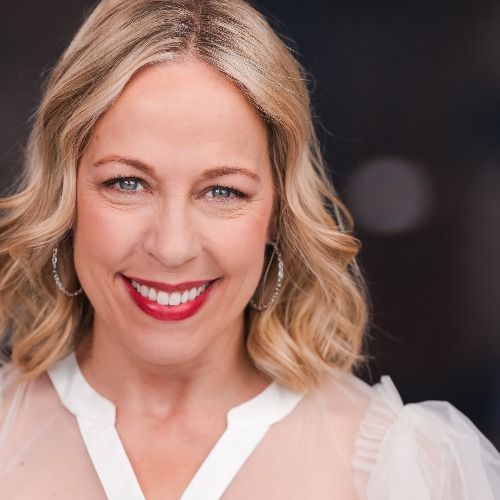
Hi, I’m Heather Hester, and I’m so glad you’re here!
Feeling uncertain or overwhelmed? Download my free guide to take you from Panic to Plan.
Join a private community with other parents and allies just like you!
Stay informed - receive my newsletter
Invite me to speak at your workshop or event
Read my book, Parenting with Pride.
Share More Human. More Kind. Please subscribe, rate, and review!
Connect heather@heatherhester.net
Watch on YouTube
Listen to *NEW* episodes every Tuesday and Friday!
At the heart of my work is a deep commitment to compassion, authenticity, and transformative allyship, especially for those navigating the complexities of parenting LGBTQ kids. Through this podcast, speaking, my writing, and the spaces I create, I help people unlearn bias, embrace their full humanity, and grow their capacity for courageous, compassionate connection.
For parents, allies, and those pioneering a way to lead with love and kindness, I’m here with true, messy, and heart-warming stories, real tools, and grounding support to help you move from fear to fierce, informed action.
Whether you’re listening in, working with me directly, or quietly taking it all in, I see you. And I’m so glad you’re part of this journey.
More Human. More Kind. formerly Just Breathe: Parenting Your LGBTQ Teen is a safe and supportive podcast in a heartfelt and empowering space where a mom and advocate offers practical guidance and education to parents and allies, fostering empathy, kindness, love, and strong boundaries while supporting LGBTQ teens and the diverse LGBTQ community—including gay, lesbian, bisexual, trans, transgender, and queer individuals—through conversations about mental health, grief, gender identity, sexual orientation, human rights, social justice, parenting, parent support, and meaningful LGBTQ allyship and allyship in action.
This podcast uses the following third-party services for analysis:
Podscribe - https://podscribe.com/privacy
Transcript
The day you realize your child is different can dissolve the story you thought you were living.
Speaker A:What happens next is up to you.
Speaker A:Welcome to More Human, More Kind, the podcast helping parents of LGBTQ kids move from fear to fierce allyship and feel less alone and more informed so you can protect what matters, raise brave kids, and spark collective change.
Speaker A:I'm Heather Hester.
Speaker A:Let's get started.
Speaker A:In today's episode, you'll see why, quote unquote different is often our label, not theirs.
Speaker A:You'll learn how to process the mix of grief and fear that come up and how to reframe that difference into beauty, strength, and connection.
Speaker A:We'll explore why the word different often says more about us than our kids.
Speaker A:How to navigate the emotions no one talks about, and how to uncover the hidden beauty and connection in raising a child who doesn't fit them.
Speaker A:At the end of the episode, I will challenge the myth that different means broken.
Speaker A:So.
Speaker A:So stick around.
Speaker A:What if the word different isn't about our kids at all, but about the expectations we've carried without even knowing it?
Speaker A:What if the very thing you see as quote, unquote different in your child is the thing that the world most desperately needs?
Speaker A:And what if the problem is the story we've been carrying about who they're supposed to be?
Speaker A:I'm sharing this as part of Suicide Awareness Prevention Month because feeling different or feeling shame around feeling different are two reasons our kids give for suicidal ideation and attempt.
Speaker A:All parents and allies of kids and young adults, human beings who have been othered who are labeled as quote, unquote different have been on my heart even more than usual these past few weeks.
Speaker A:If you missed my special episode where I talked specifically about Charlie Kirk's death and my concern for our children, please go back and listen to it.
Speaker A:I think we can all recall a moment when we realized that one of our kids or each one of our kids did not fit the script that we had imagined in our heads.
Speaker A:Maybe from birth, maybe from when they were quite young and we thought that they were going to do an activity that it seemed that they were really good at or grow up to study a subject that it seemed like they were particularly talented in.
Speaker A:And I think talking about the movie Reel Explosion story is very, very helpful in understanding this feeling and encouraging you to acknowledge this feeling.
Speaker A:So when Connor first came out in those first few months, he really, really struggled.
Speaker A:There were a lot of things that kind of happened one after another where the wheels just seemed to fall off the bus and he'd come out in The February of his sophomore year.
Speaker A:So by the beginning of his junior year of high school, we were just in crisis.
Speaker A:And it was seemingly crisis after crisis that was occurring, and we just could not get the supports in place.
Speaker A:And I ended up spending a lot of time in his high school counselor's office trying to come up with a plan or plans of ways to support him.
Speaker A:And very early on in that process, and that's.
Speaker A:It was, like, September, my gosh, probably just about this time of year.
Speaker A:I remember sitting there and just.
Speaker A:I was in tears, and so I was scared.
Speaker A:I just felt like we had no idea what the options were.
Speaker A:Like, what were we gonna do to help this kid?
Speaker A:Um.
Speaker A:And there was a lot of frightening stuff going on.
Speaker A:And in that moment, I sat there and I was like, I.
Speaker A:It just feels like my entire movie reel has exploded.
Speaker A:And in that moment, I realized that I had created this entire life for Connor in my head, from the moment that he was born, from the moment that I started seeing, as a tiny little human, things that he liked, things that he didn't like, different traits about him, places, areas that he excelled, areas that he didn't excel and had built on all of these things and created over time, this movie reel and this projection of where I thought his life was going to go and even perhaps where I thought his life should go.
Speaker A:And a lot of that just blew up when he came out, when he was going through all of these struggles, when he was showing these certain behaviors and struggles and everything just felt like it was just a hot mess.
Speaker A:And I didn't recognize my kid, the kid that I had created in my mind.
Speaker A:And I didn't know how to create space for him to really show us who he was, for him to really feel comfortable and expressing who he was.
Speaker A:Nor did I know how to support him in the acute crises that were occurring in that moment.
Speaker A:So I share this with you.
Speaker A:I know that's really kind of dramatic example of this, but it was a moment where I was like, that doesn't work anymore.
Speaker A:And it.
Speaker A:I don't know that it ever worked.
Speaker A:And I think that we all have these moments with our kids.
Speaker A:There's definitely this emotional arc to it that I think is really important to lean into the shock, the grief, the fear.
Speaker A:Right?
Speaker A:All of those things are what come at us first.
Speaker A:And then as we work through each of those, as we walk through each of those, as we do the work that we need to do, there's the gift of seeing them thrive as their full self.
Speaker A:I'm telling you this, and we're talking about this today because I believe there's so much power in allowing ourselves to grieve that story that we thought that we'd live, that we thought that our child would live.
Speaker A:And then finally open, opening our eyes to the beauty of their story, this beautiful story that is unfolding in front of us, that moment that we're able to see them for who they really are, for their whole beautiful, resilient self.
Speaker A:And if you're not quite there yet, I want you to know that you can get there, first of all.
Speaker A:And second of all, the joy and freedom in that moment and then the moments that follow is absolutely so extraordinary and so worth it for you, for your child, for your family.
Speaker A:And I think it's important to acknowledge that so many of us confuse our fear, our fears with their reality.
Speaker A:It's really important to know that our kids don't feel different.
Speaker A:They feel themselves.
Speaker A:And what they need is an environment from us where we aren't framing everything as they are different, but where we are honoring them as who they are, who they're showing us they are, who they're growing into being.
Speaker A:When we can look at this more as our story, our mindset that need to be rewritten or shifted or evolved, oh my goodness, it.
Speaker A:It completely changes the game.
Speaker A:So as parents, why do we focus on different why to become fixated on this?
Speaker A:Why do we allow it to control us, to project these fears of will they be safe or accepted or successful?
Speaker A:We feel this grief that I talked about earlier with the movie reel exploding because we've lost the imagined future, right?
Speaker A:We thought that was guaranteed.
Speaker A:And I want you to know that these emotions are real.
Speaker A:What you're feeling is real.
Speaker A:The grief is real.
Speaker A:And it's something that is so important for you to feel and walk through and deal with, but that belongs to us.
Speaker A:It does not belong to our kids.
Speaker A:So take a few moments when you can and really interrogate your fears.
Speaker A:Are they about your child's wellbeing?
Speaker A:Are they about your own comfort?
Speaker A:Where exactly did these fears come from?
Speaker A:And then let go of that supposed to be or that should, and really listen for, look at, observe who your child really, really is.
Speaker A:Begin to separate your child's identity from your expectations.
Speaker A:I'm going to repeat that.
Speaker A:Separate your child's identity, who they are from your expectations.
Speaker A:I want you to feel, process, release the grief and move forward.
Speaker A:Celebrate this difference.
Speaker A:This difference actually allows them to be more resilient, more empathetic adults.
Speaker A:Remember that resilient, empathetic adults often grow up, come from kids who grew up outside the mold.
Speaker A:It's okay to admit that you feel afraid and that you feel sad.
Speaker A:The more honest you can be with yourself about the way that you are feeling, the embracing what is, that is what moves us forward.
Speaker A:And remember, too, that whatever this difference is, is often the very thing that the world needs the most to heal, to evolve, to move forward.
Speaker A:As I take a moment and reflect on why I chose this topic for today, there are a couple things that come up for me.
Speaker A:First of all, some.
Speaker A:Some weeks ago, a good friend of mine brought up the fact that she thought what I was doing was really good, not just for parents of LGBTQIA kids, but for all parents and allies of quote, unquote, different kids.
Speaker A:And I've thought about that a lot, because she's right.
Speaker A:A lot of what I talk about and a lot of what I do can apply to a lot of different kinds of people.
Speaker A:And I just thought, you know what?
Speaker A:This would be a really cool way to, for a few moments in time, create a space and an acknowledgement for them and for us, and to kind of sit in this.
Speaker A:This moment and think, yeah, I have kids who are probably labeled as, quote, unquote, different.
Speaker A:And now sitting from where I sit, I think that's pretty darn cool.
Speaker A:At the time, 10 years ago, five years ago, did I think it was harder?
Speaker A:Did I think it was heavier?
Speaker A:Did I, at moments, think that it was something to survive and instead of celebrating?
Speaker A:Yes, absolutely, a thousand percent.
Speaker A:But every child brings challenges and gifts, not just the ones that we as parents label as, quote, unquote, different.
Speaker A:Right?
Speaker A:And so what I realized over time is that what felt like perhaps something to survive or something that was harder was really just the pathway to deeper empathy and patience and understanding and character and love.
Speaker A:It really, really was one of my greatest teachers.
Speaker A:So I share that with you for a moment in this space where I just want you to know you are seen and held and to not give up and perhaps just allow yourself to sit with this and see what resonates and see what you want to take with you as you move forward.
Speaker A:If you've been with me for a while, you know that I have absolutely loved our listener query segment, which has been such a great way to answer your questions and just bust myths that are out there.
Speaker A:And about a month or so ago, when I was traveling, I was thinking about this segment and some of the myths I'd like to bust, and I thought, you know, it'd be really cool if we could add some action to it instead of just debunking whatever myth or question came up.
Speaker A:So I have now evolved the listener query into the Unlearn, where each week I will still tackle a common myth or a bias or assumption, something that we've been taught to believe.
Speaker A:And then I will break it down, reimagine what could be possible, and end with one tangible action you can take into that week.
Speaker A:It will still be grounded in your questions and stories, so please keep sending them in.
Speaker A:But now it will be part of your weekly allyship practice.
Speaker A:So let's get ready to unlearn, reimagine and act.
Speaker A:Today's Unlearn is about the pressure to fit kids into a narrow idea of quote unquote normal.
Speaker A:So the myth states, or the story says that normal is the standard we should measure against, and anything outside of that is a problem to fix.
Speaker A:The truth is, normal is just an average.
Speaker A:It is not a measure of worth or potential.
Speaker A:Our kids don't need to shrink to fit.
Speaker A:They need space to expand and to experiment and to figure out and to be a kid.
Speaker A:So this week I want you to notice when you use the word normal and replace it with expected or common words that don't carry judgment about value.
Speaker A:When we can unlearn this myth that normal is the goal, we can free our kids and ourselves from a box that was never meant to hold them.
Speaker A:Today we explored how different is usually about our expectations, not our kids, and how releasing the script opens up space for beauty and resilience.
Speaker A:Your child's difference is not their burden, it's their brilliance.
Speaker A:And the world desperately needs it.
Speaker A:Thank you for listening.
Speaker A:I know this topic can stir up tender emotions and I'm so grateful that you were here.
Speaker A:Remember that new episodes drop every Tuesday and Friday and future interviews will drop a special episode, so make sure to subscribe so you never miss an episode.
Speaker A:If today's episode resonated with you, I'd love to give you an excerpt of my book Parenting with Pride, along with a guided reflection.
Speaker A:Go to tinyurl.com prpreflect the link is also in the show notes.
Speaker A:Let's continue to see the humanity in each other, no matter the differences.
Speaker A:Until next time.
Speaker A:Remember, you are not alone.